
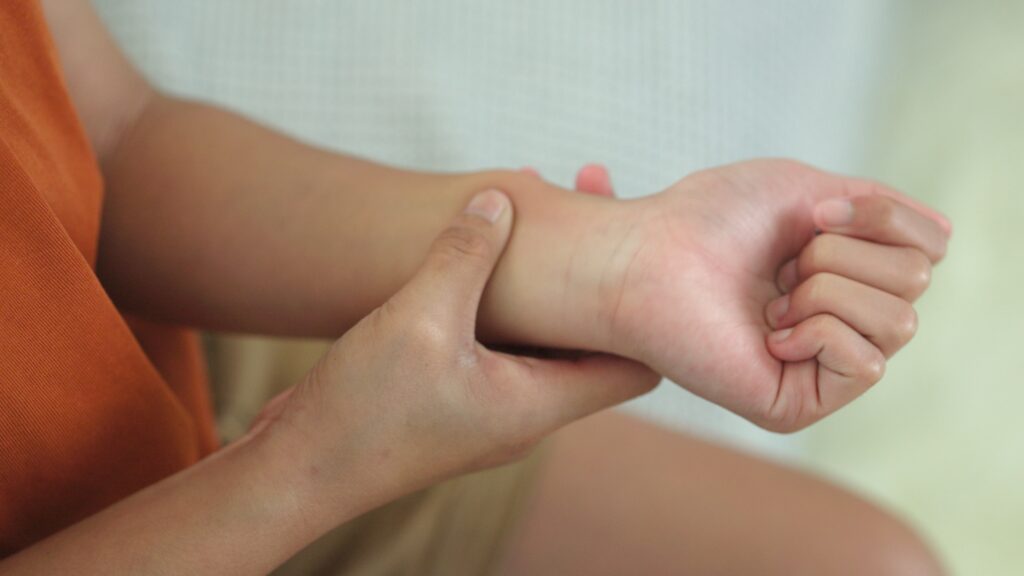
Advanced Relief for Chronic Nerve Pain
Living with Complex Regional Pain Syndrome can feel exhausting in ways that are difficult to explain to other people. One moment it may feel like burning pain, and the next, even light touch or movement can become overwhelming. Many people with CRPS have already spent years trying medications, injections, physical therapy, and other treatments before finally searching for something different that may actually help calm the nervous system itself.
Ketamine therapy has become an important option for individuals struggling with severe chronic nerve pain, especially when traditional approaches have not provided enough relief. At Florida Regional Pain Management, PA, we focus on helping clients explore advanced pain management options in a supportive and medically guided setting. Ketamine for CRPS is not about masking symptoms for a few hours. The goal is to help interrupt the pain cycle that keeps the nervous system stuck in a constant state of overreaction.
Why CRPS Pain Feels So Different From Other Conditions
Complex Regional Pain Syndrome is not ordinary pain, and most people living with it already know that. CRPS often develops after an injury, surgery, fracture, or trauma, but the pain becomes much more intense than what would normally be expected during recovery. Over time, the nervous system can become hypersensitive, making even normal sensations feel painful.
Many clients describe CRPS symptoms such as:
- Burning or stabbing pain
- Extreme sensitivity to touch
- Swelling in the affected area
- Skin temperature changes
- Muscle stiffness
- Changes in skin color or texture
- Difficulty moving the affected limb
- Pain that spreads over time
The emotional impact can become just as difficult as the physical discomfort. Sleep, work, exercise, and social activities often become harder to maintain. That ongoing cycle of pain and stress can leave people feeling frustrated and mentally drained.
How Ketamine Therapy Works for CRPS Pain
Ketamine works differently from many traditional pain medications. Instead of simply dulling pain signals temporarily, ketamine interacts with NMDA receptors in the brain and nervous system. These receptors are heavily involved in pain processing and nerve sensitization, which are major factors in CRPS. For many people with CRPS, the nervous system becomes trapped in a state where pain signals continue firing even when the original injury has healed. Ketamine therapy may help reduce that heightened pain response and calm abnormal nerve activity.
The Goal of Ketamine Treatment
Ketamine therapy for CRPS is often focused on helping clients:
- Reduce severe nerve pain
- Improve mobility and daily function
- Decrease hypersensitivity
- Support physical therapy progress
- Improve overall quality of life
- Help interrupt chronic pain patterns
Relief can look different for every individual. Some clients notice reduced pain intensity, while others experience improvements in sleep, movement, or their ability to participate in daily activities again.
What the Ketamine Infusion Process Looks Like
Starting a new treatment can feel intimidating, especially for someone already dealing with chronic pain every day. One of the biggest concerns people often have is simply not knowing what to expect. That is why the treatment process is carefully monitored and explained throughout each step. Before beginning therapy, clients go through a medical evaluation to determine whether ketamine may be an appropriate option for their condition and overall health history. CRPS cases can vary significantly from person to person, so treatment plans are individualized.
During Treatment Sessions
Ketamine for CRPS is typically administered through an IV infusion in a controlled medical setting. Sessions may vary in length depending on the treatment plan and individual response.
During infusions, clients are monitored by medical professionals while relaxing in a comfortable environment. Some people feel deeply relaxed during treatment, while others may notice temporary sensory changes or mild dissociation during the infusion process.
Many clients appreciate that the environment is designed to feel calm and supportive instead of rushed or clinical.
After Treatment
Recovery time after an infusion is usually fairly manageable, although clients generally need someone to drive them home afterward. Some people feel tired for the rest of the day, while others feel mentally lighter or physically calmer afterward. Results can vary based on:
- Severity of CRPS
- How long symptoms have been present
- Overall nervous system sensitivity
- Response to previous treatments
- Consistency of care
Because CRPS is complex, ketamine is often part of a broader pain management strategy rather than a standalone solution.
When Daily Activities Start Feeling Impossible
One of the hardest parts of CRPS is how much it can interfere with ordinary life. Activities that once felt simple can suddenly become physically and emotionally exhausting. Some people struggle to walk comfortably, wear certain clothing, type on a keyboard, or even tolerate light physical contact. Pain also affects more than the body alone. Many clients dealing with CRPS talk about how isolating the condition becomes over time. Canceling plans, losing sleep, and feeling misunderstood by others can take a major toll emotionally. Ketamine therapy has gained attention because it may help address pain at the nervous system level instead of only treating symptoms temporarily. For individuals who feel stuck in an endless cycle of flare-ups and discomfort, that possibility can feel meaningful.
Who May Be a Candidate for Ketamine Therapy
Not everyone with chronic pain is automatically a candidate for ketamine treatment. The best way to determine eligibility is through a medical consultation and evaluation. Clients who may be considered for ketamine therapy often include individuals who:
- Have been diagnosed with CRPS
- Continue struggling despite other treatments
- Experience severe nerve pain symptoms
- Have chronic pain interfering with daily life
- Are seeking additional pain management options
Medical history matters as well. Certain health conditions, medications, or underlying concerns may influence whether ketamine is recommended. Open communication matters during the consultation process. Clients should feel comfortable discussing:
- Current pain levels
- Previous procedures or therapies
- Medication history
- Mental health history
- Treatment goals
- Concerns about side effects or expectations
A realistic and personalized approach is important because CRPS can affect every person differently.
Benefits Clients Often Hope to Achieve
People searching for ketamine therapy are usually not looking for perfection. Most are simply looking for relief that allows them to feel more functional and more like themselves again. Potential benefits may include:
- Reduced pain intensity
- Improved ability to move comfortably
- Better sleep quality
- Less sensitivity to touch
- Increased participation in daily activities
- Improved comfort during rehabilitation efforts
Some clients also report that reducing constant pain helps improve mood and overall mental well-being. Chronic pain affects every part of life, so even moderate improvements can feel significant.
Possible Risks and Side Effects to Know About
Any medical treatment should involve honest conversations about both benefits and potential risks. Ketamine therapy is carefully monitored, but side effects can still occur. Some temporary side effects may include:
- Dizziness
- Nausea
- Blurred vision
- Fatigue
- Changes in perception during infusion
- Elevated blood pressure
- Mild confusion during treatment
These effects are generally monitored closely throughout the infusion process. Most side effects improve after treatment ends. Clients should always discuss their full medical history and any concerns before beginning therapy so the treatment team can determine whether ketamine is appropriate for their situation.
A Different Approach for Severe Chronic Pain
People living with CRPS are often exhausted from hearing generic advice or trying treatments that barely touch the pain. Chronic nerve pain changes how someone moves through daily life, and that reality deserves to be taken seriously.
Ketamine therapy has become an important option in modern pain management because it focuses on how the nervous system processes pain signals. For some individuals, that different mechanism may offer hope after years of limited progress with traditional methods alone. Pain management is rarely one-size-fits-all, especially with a condition as complicated as CRPS. That is why individualized care and realistic treatment planning matter so much throughout the process.
Take the Next Step Toward Managing CRPS Pain
Living with CRPS can make it feel like your body is constantly working against you, but ongoing pain does not have to define every part of your life. Exploring advanced treatment options like ketamine therapy may help open the door to better comfort, improved movement, and a more manageable daily routine. Contact us to learn more about ketamine therapy for CRPS and whether this approach may be appropriate for your pain management journey.
Frequently Asked Questions
How quickly can ketamine start working for CRPS?
Some clients notice changes fairly quickly after treatment, while others may require multiple sessions before improvements become noticeable. Response times can vary depending on how severe the CRPS is, how long symptoms have been present, and how the nervous system responds to therapy overall.
Is ketamine therapy painful?
The infusion process itself is generally not considered painful beyond the initial IV placement. Most clients remain seated or reclining comfortably during treatment. Some individuals experience temporary sensory or perception changes during infusions, but medical staff monitor clients throughout the process.
How long does relief from ketamine therapy last?
Results vary significantly from person to person. Some individuals experience relief for shorter periods, while others may notice longer-lasting improvements. Treatment plans are often customized based on how someone responds over time.
Can ketamine therapy cure CRPS?
Ketamine is not considered a cure for CRPS. The goal is typically to help reduce pain severity, calm nerve sensitivity, and improve quality of life. Many people pursue treatment as part of a broader pain management strategy.
Will I need multiple ketamine sessions?
Many CRPS treatment plans involve a series of infusions rather than a single appointment. Chronic nerve pain conditions often require ongoing evaluation and individualized planning based on symptom response.
Can I drive myself home after treatment?
Clients are generally advised not to drive themselves home following ketamine infusions. Temporary side effects like dizziness or fatigue can occur, so arranging transportation is important.
Is ketamine therapy only used for CRPS?
Ketamine has been explored for several chronic pain and mental health conditions. However, treatment recommendations depend on a person’s diagnosis, symptoms, and medical history. A consultation is necessary to determine whether it may be appropriate.
What should I wear or bring to my infusion appointment?
Comfort is important during treatment sessions. Many clients choose loose, comfortable clothing and bring items that help them relax during the appointment. Specific instructions may be provided before treatment depending on the care plan.
What our patients are saying

Everyone of the members of the staff and the doctor are totally awesome
Sandra M. | Nov 2023
I have been a patient for many years and have never had anything but top of the line care from my injections to regular follow up appointments both the doctor and all the staff is always friendly welcoming and helpful anytime I have needed to reschedule or make a change they have always gotten me t…
Allison D. | Oct 2022
I think dr. Manohar is very helpful, highly qualified and has a kind bedroom side manner. He is honest, knows his stuff, and is reassuring.